By Rhonda Jones & Denise Fernandez
Last updated on May 19, 2026
Understanding Hantaviruses
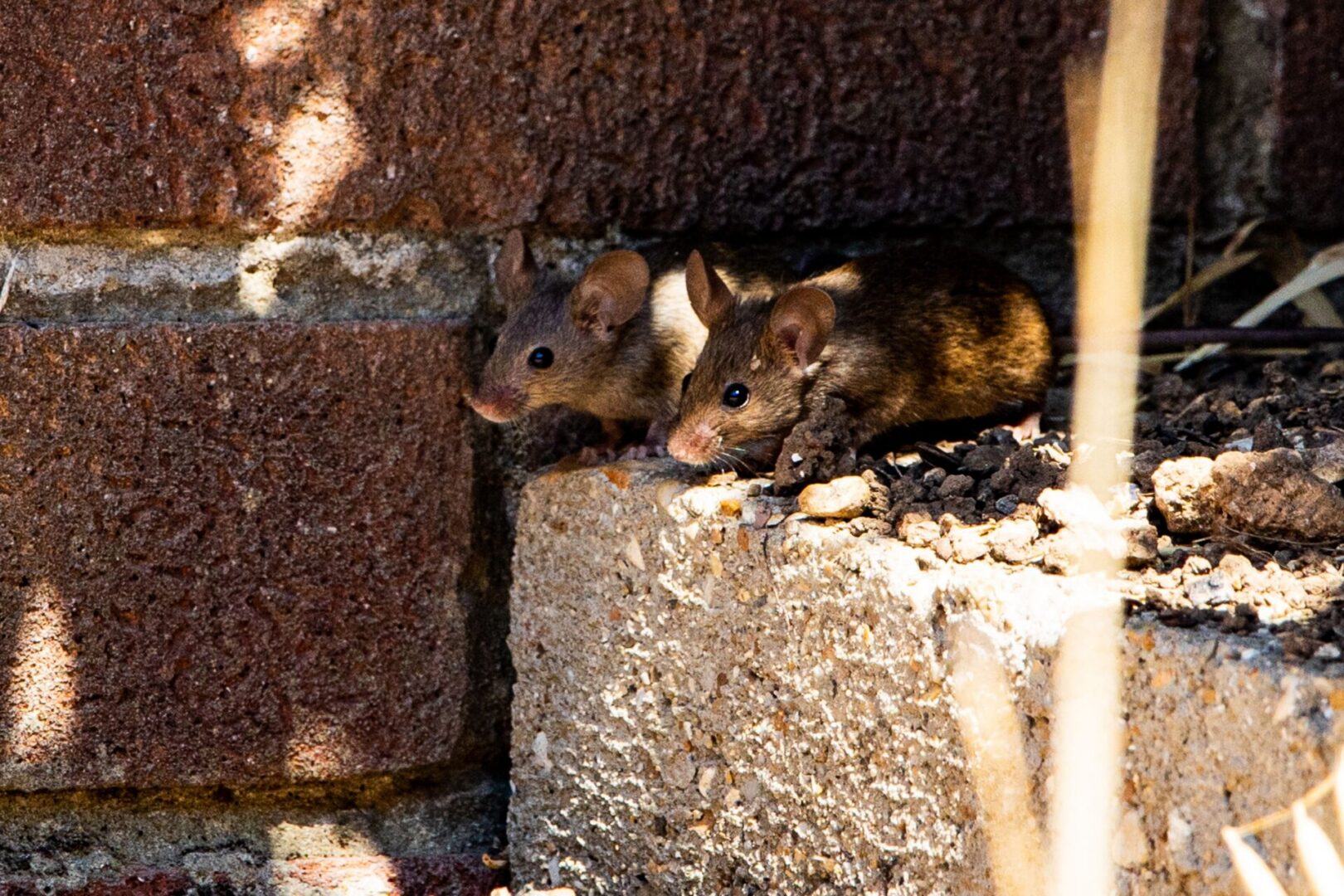
Hantaviruses are a group of zoonotic, enveloped viruses belonging to the Hantaviridae family. Transmission primarily occurs through contact with infected rodent urine, droppings, or saliva, and less commonly through rodent bites or scratches. Most infections result from inhaling aerosolized particles contaminated with rodent excreta. However, transmission may also occur by touching contaminated surfaces and then touching the eyes, nose, or mouth, or by consuming contaminated food.
A recent cluster of hantavirus cases linked to cruise ship travel are associated with the Andes virus, a hantavirus typically found in South America. Unlike most hantaviruses, Andes virus is capable of person-to-person transmission during close and prolonged contact.
Depending on the strain, hantavirus infections can range from asymptomatic or mild flu-like illness to severe, life-threatening disease. In the Americas, hantaviruses — including Andes virus — can cause Hantavirus Cardiopulmonary Syndrome (HPS), a serious respiratory illness with fatality rates of up to 50%.
Early symptoms of HPS generally appear 1–8 weeks after exposure and may include:
- Fatigue
- Fever
- Muscle aches
- Headaches
- Dizziness
- Chills
- Nausea
- Vomiting
- Diarrhea
As the disease progresses, patients may develop coughing and shortness of breath.
In Europe and Asia, hantaviruses are more commonly associated with Hemorrhagic Fever with Renal Syndrome (HFRS). Symptoms typically begin within 1–2 weeks after exposure, although onset may take up to 8 weeks. Common symptoms include:
- Headache
- Back or abdominal pain
- Fever
- Nausea
- Blurred vision
- Low blood pressure
- Acute shock
- Vascular leakage
- Acute kidney failure
The severity of HFRS varies depending on the hantavirus strain, with reported fatality rates ranging from 1% to 15%.
EPA Regulatory Considerations for Hantavirus Claims
The United States Environmental Protection Agency (EPA) has activated its Emerging Viral Pathogen (EVP) policy for hantaviruses. This action allows eligible antimicrobial pesticide registrants to communicate off-label efficacy claims against hantavirus(es) in accordance with EPA’s published EVP guidance and policy requirements. Under the EVP policy, products that meet the eligibility criteria and already possess approved EVP language may make off-label claims against hantaviruses during a public health need. Eligibility is based on demonstrated efficacy against harder to kill or representative viruses, as outlined in EPA guidance.
Products eligible to add hard-surface virucidal claims against hantavirus(es) include sterilants, broad-spectrum disinfectants, hospital disinfectants, and sanitizer products that have demonstrated the required efficacy to support their base disinfection or sanitization claims. As with other public health pathogens, hantavirus testing must be conducted in accordance with United States Environmental Protection Agency Good Laboratory Practice standards under 40 CFR Part 160. Consistent with all hard-surface virucidal claims, testing must be performed using ASTM E1053 and comply with the requirements outlined in EPA guidelines 810.2000 and 810.2200 and/or the Interim Guidance for the Evaluation of Products for Claims Against Viruses as applicable.
If you are interested in evaluating products against hantaviruses or pursuing EPA claim support, please contact SRC for assistance with study design, testing, and regulatory strategy.
References:
Alonso et al. Emerg Infect Dis. 2020 April;26(4): 756-759